A Rainy City Afternoon with No Reservations
Plan a rainy city afternoon without reservations around one indoor anchor, a nearby weatherproof route, and a clear fallback so the day stays comfortable.

The common mistake in planning a rainy city afternoon is filling every lull with another indoor attraction. The cost is a route that depends on opening hours and cross-town walks just when wet streets make both less appealing. Instead, build the day around one place you genuinely want to visit and a route that makes sense in the rain.
A museum, covered market, library, conservatory, or neighborhood cinema can provide a destination without dictating the whole afternoon. The surrounding streets should serve that choice, not turn into a second itinerary to complete.
Plan a rainy city afternoon around one worthwhile indoor stop
Choose an indoor anchor that would interest you even on a dry day and can hold your attention without another reservation. A small art museum suits a quiet visit; a food hall offers a choice of food and activity; a public library provides a calm pause without requiring a purchase.
Check the venue’s own current information for hours, timed entry, seating, restrooms, and access details that matter to your group. If admission requires advance booking, treat that as the one fixed point; otherwise, a walk-in venue can preserve the freedom to arrive when it suits you.
Consider how the anchor feels in poor weather, too. A conservatory or covered arcade keeps some visual connection to the outdoors, while a cinema may be a better choice if you want to stop walking altogether.
Choose a rain-friendly route instead of collecting nearby stops
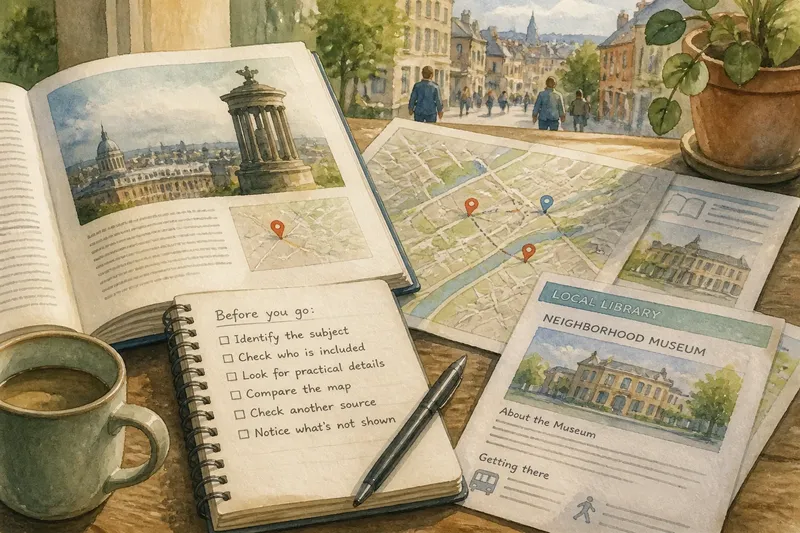
Use a map to understand the area around your anchor, then select a route that favors shelter and simple decisions. Look for covered passages, awnings, market halls, or a nearby transit stop; do not assume the fastest line on Google Maps is the most comfortable one in the rain.
Pick one nearby place to pause, such as a café with seating, rather than treating every marked attraction as a candidate. A route with a clear endpoint helps prevent the afternoon from becoming a search for somewhere else to go.
- Check whether the anchor is open at your intended arrival; if it is closed, choose another suitable indoor venue before setting out.
- Check whether entry is timed or requires a ticket; if it does, book only if the time works for your afternoon, or select a walk-in alternative.
- Check the mapped walk for exposed stretches; if it crosses a long open area, choose a covered passage, sheltered street, or transit connection instead.
- Check whether the nearby café or other pause point has seating; if it does not, identify a library, market hall, or other place where sitting is practical.
- Check that your route back has a nearby transit stop or straightforward walk; if not, save a simpler return route before leaving.
- Check whether the venue’s access information fits your group; if the route or facilities are unsuitable, choose a more accessible anchor and nearby fallback.
Say you plan to spend an afternoon near a neighborhood museum. Its current listing shows walk-in entry, and a map reveals a covered market a short walk away, a café beside the museum, and a transit stop on the café’s block. You choose the museum as the anchor, the café as the pause point, and the stop as the route home; when steady rain begins after your visit, you go directly to the café rather than adding the market, trading that extra stop for a dry place to sit and an uncomplicated return.
Carry only what helps you stay comfortable indoors and out
A compact umbrella works on open streets, while a hooded rain jacket leaves your hands free on crowded sidewalks and transit. Choose shoes with a secure sole, and bring a bag that closes so your phone, wallet, and any paper directions stay protected.
A cloth can clear damp glasses or a camera lens. If wet feet would make the rest of the outing uncomfortable, pack spare socks; otherwise, leave them behind rather than turning a short city walk into a packing project.
Save the anchor’s address and the nearest transit stop somewhere accessible offline. When you go indoors, keep a reusable bag handy for a wet umbrella or outer layer, so you are not managing dripping gear loose in a crowded room.
How should you handle tickets, heavy rain, and access needs?
How do you choose an indoor anchor?
Pick a place you would enjoy on its own, with a practical way to reach it in poor weather. If the most famous attraction means a long exposed walk or a rigid entry time, a closer museum, market, or library may suit the afternoon better.
Should you book tickets ahead?
Book when the venue requires it or when a particular time matters to you. If walk-in entry is available and you do not need a fixed slot, arriving without a reservation lets you respond to the actual conditions without adding another commitment.
What should you do if the rain gets heavier?
Use the nearby pause point you selected or take transit to a suitable indoor place. If the walk between stops no longer feels comfortable, skip the remaining stop rather than extending your time outside to preserve the route.
How can you plan for children or limited mobility?
Check venue access information, seating, restrooms, and the route between the entrance and transit or parking. Choose an anchor and pause point that meet the group’s needs, and avoid unnecessary crossings or surfaces that make the journey harder.
Let the weather set the pace, not the number of stops
Once you have visited the anchor and reached your pause point, decide whether another walk sounds pleasant. If not, take the direct route back or settle in for a meal; no extra attraction is needed to make the outing count.
Before leaving the neighborhood, check your route to the next destination and gather any damp layers. The useful measure of a rainy city afternoon is whether you had one place worth visiting and a comfortable way through the weather—not how many doors you managed to enter.